How to Choose Shaking Culture Equipment
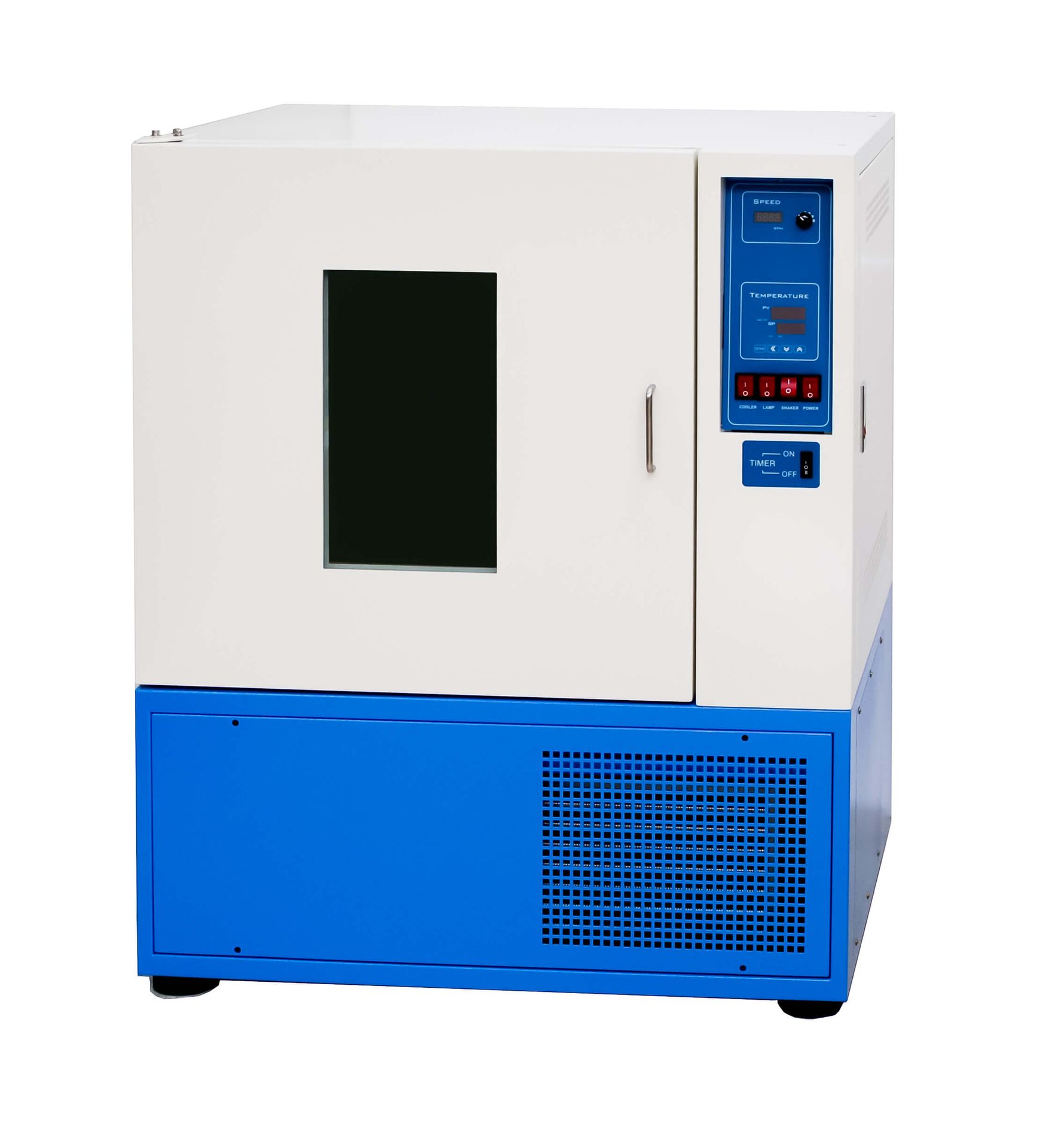
Shaking culture equipment is chosen by whether temperature control is needed, the number of flasks and the available space: for temperature-controlled culture choose a shaking incubator (703 series); for room-temperature, high-throughput shaking choose a benchtop or floor shaker (721/722/723); for aqueous needs choose a shaking water bath (902/903). Then refine by orbital/reciprocating motion, speed and amplitude.
Three types
- Shaking incubator (703 series): combined temperature control and agitation, for aerobic suspension culture needing temperature control.
- Benchtop/floor shakers (721/722/723): high-throughput flasks at room temperature, choosing benchtop or floor by quantity and space.
- Shaking water bath (902/903): aqueous constant temperature with agitation, for applications needing uniform water-bath temperature.
Orbital vs. reciprocating
- Orbital: circular motion, gentle and even mixing — the most common choice for cell and microbial culture.
- Reciprocating: back-and-forth motion with different shear and mixing, suited to certain reactions or extractions.
Key specifications
- Temperature range, speed and amplitude range, platform capacity (flask count) and deviation alarms all affect the choice.
Related Products
- Orbital Shaking Incubator 703/703R →
- Orbital Shaker 721-1T/721-2T →
- Reciprocating Shaking Water Bath 903/903XL →
FAQ
Benchtop vs. floor shaker — how to choose?
By flask count and available space: choose benchtop for small batches on a bench, and floor-standing for larger throughput needing its own footprint.
Orbital vs. reciprocating — how to choose?
Orbital mixing is gentle and even and most common for culture; reciprocating is linear, suited to specific reactions or extraction.
How many flasks — which model?
Estimate the number and size of flasks run at once against the platform capacity; if unsure, share your needs and Hotech can help configure.